A garment’s price or label can’t tell you everything about how long it will last. Before buying, look closely at the fabric, construction, and fit, then consider whether you can care for it the way it needs. These quick checks help you avoid pieces that stretch out, wear through, or sit unused because they feel uncomfortable. With a little practice, you can make more deliberate choices that work for your wardrobe and your everyday routine.
Check the Fabric
Read the fiber content tag, then feel the fabric. Does it have enough weight for its intended use? Hold it up to the light to spot thin areas, uneven coloring, or a loose weave. Gently stretch a small section and release it; fabric that returns to shape may hold its fit better than fabric that stays rippled. These checks are clues, not guarantees, so consider how the garment will be worn.
Think about the demands of the item. A work shirt worn often may need a sturdy weave, while a warm-weather top may benefit from a lighter, breathable fabric. Blends can combine useful qualities, but check whether the fabric feels comfortable against your skin and suits the season. If a material pills easily or feels fragile during a gentle rub, consider whether you are willing to handle that wear.
Inspect the Construction
Turn the garment inside out and examine the seams. Look for stitching that runs evenly, with no skipped sections, loose threads, or gaps where the fabric pulls apart. Check stress points such as underarms, pockets, crotch seams, and button areas. Gently tug the fabric on either side of a seam. It should feel secure without the stitches straining or the seam opening.
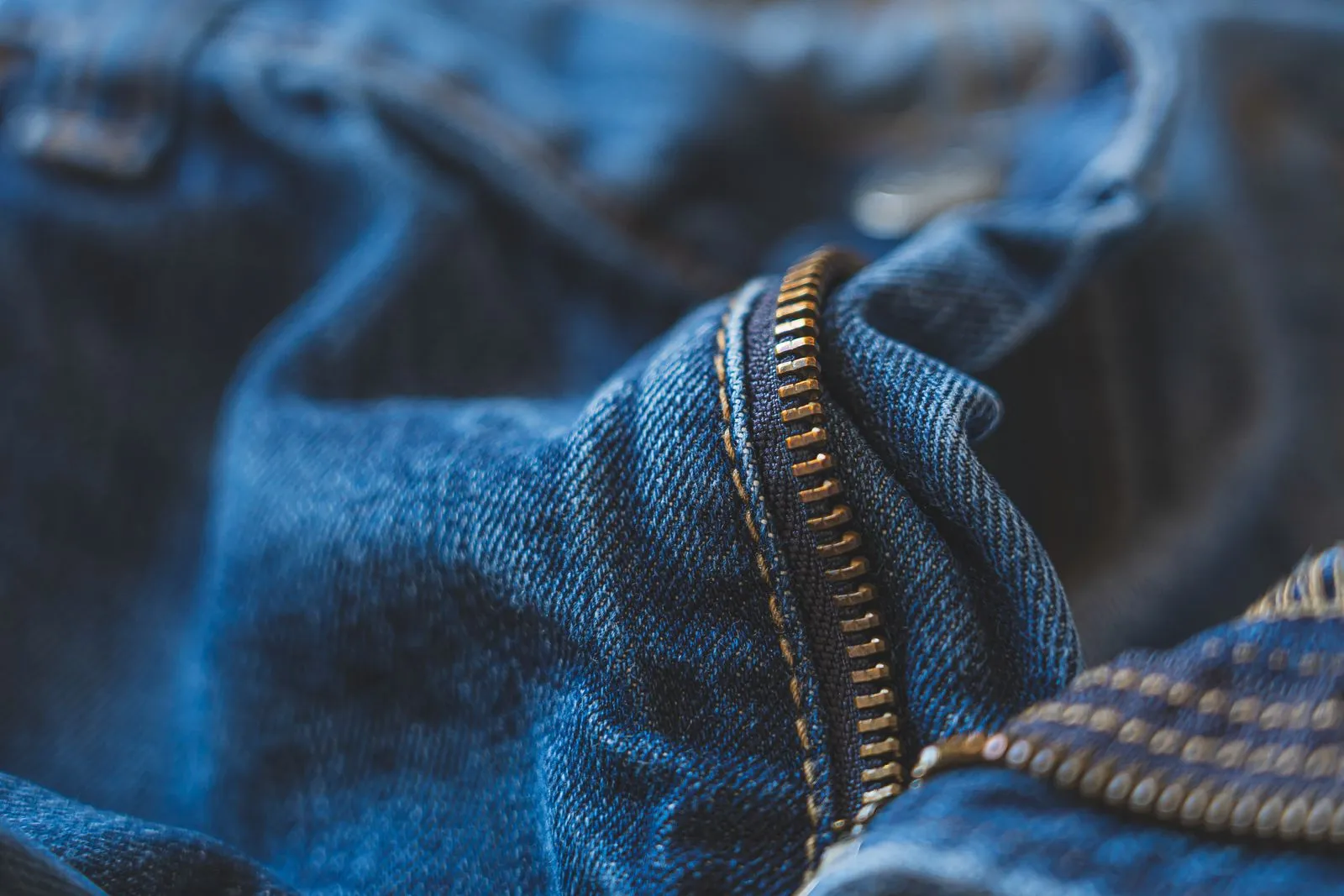
Check the finishing details, too. Buttons should feel firmly attached, buttonholes should lie flat, and zippers should move smoothly without catching the fabric. Hems should be even and secure. A small loose thread may be easy to repair, but multiple signs of weak finishing can suggest the garment will need more attention than you want to give it.
Choose a Wearable Fit
Try the garment on and move as you would during a normal day. Sit, reach forward, raise your arms, and walk a few steps. Notice whether the fabric pulls across your shoulders, hips, or thighs, or whether a waistband, collar, or armhole digs in. A piece that looks right in the mirror but restricts movement is less likely to become a regular part of your wardrobe.
Check the fit against clothes you already wear comfortably. Consider whether the garment works with the shoes, layers, and activities you have in mind. If it needs alterations, identify what needs changing and whether the fabric and construction can support them. Buy it only if the likely adjustment feels practical for you.
Plan for Care
Read the care label before you decide. Check whether the garment needs handwashing, gentle cycles, air drying, ironing, or professional cleaning. Think honestly about your routine, laundry setup, and willingness to follow those instructions. A piece that requires care you are unlikely to provide may wear out sooner or stay unworn, even if its fabric and construction look promising.
Ask whether you can care for the item with the clothes and supplies you already use. Washing less often when appropriate, using a gentle cycle, and following the label can help reduce unnecessary wear. For items that need repair, check whether the seam, button, or hem looks accessible to mend. Easy maintenance makes it simpler to keep a garment in rotation.
Before buying, pause for four checks: fabric, construction, fit, and care. Choose a garment that feels sound, moves comfortably, and fits the way you live—not just one that looks appealing on the rack. If you want help assessing pieces and building a wardrobe around what you’ll wear, Good Thread Wardrobe can help you plan your next steps.